

मकर संक्रांति बनाम उत्तरायण: क्या ये एक ही हैं?
बहुत लोग मकर संक्रांति और उत्तरायण को एक ही समझते हैं, लेकिन वास्तव में ये दो अलग खगोलीय घटनाएँ हैं। पूरी जानकारी यहाँ पढ़ें।
जनवरी में 'मकर संक्रांति' और 'उत्तरायण' — दोनों शब्द अक्सर एक ही अर्थ में बोले जाते हैं। क्या ये एक ही हैं? लगभग, पर पूरी तरह नहीं। आइए सटीक अंतर समझें।
उत्तरायण क्या है?
उत्तरायण का शाब्दिक अर्थ है 'उत्तर की ओर गति' (उत्तर + अयन = गति)। यह वह छह महीने की अवधि है जिसमें सूर्य अपने सबसे दक्षिणी बिंदु से उत्तर की ओर बढ़ता दिखाई देता है। यह शीत अयनांत से आरंभ होता है — ग्रेगोरियन कैलेंडर में लगभग 21–22 दिसंबर।
इसके विपरीत अवधि — जब सूर्य दक्षिण की ओर बढ़ता है — दक्षिणायन कहलाती है, जो लगभग 21 जून के ग्रीष्म अयनांत से शुरू होती है।
मकर संक्रांति क्या है?
संक्रांति का अर्थ है 'संक्रमण' — यानी सूर्य का एक राशि से दूसरी राशि में प्रवेश। मकर राशि को अंग्रेज़ी में Capricorn कहते हैं। इसलिए मकर संक्रांति वह दिन है जब हिंदू निरयण (नक्षत्र आधारित) राशिचक्र के अनुसार सूर्य मकर राशि में प्रवेश करता है।
2026 में मकर संक्रांति 14 जनवरी को है।
ये एक जैसे क्यों लगते हैं?
प्राचीन काल में शीत अयनांत (उत्तरायण का आरंभ) और सूर्य का मकर राशि में प्रवेश एक ही समय होते थे। पर अयन चलन (पृथ्वी की धुरी की धीमी डगमगाहट) के कारण पिछले लगभग दो हज़ार वर्षों में दोनों के बीच लगभग 23 दिन का अंतर आ गया है।
- खगोलीय उत्तरायण (शीत अयनांत): लगभग 21 दिसंबर
- मकर संक्रांति (सूर्य का निरयण मकर में प्रवेश): लगभग 14 जनवरी
- अंतर: लगभग 23 दिन
हिंदू धर्म कौन सा मनाता है?
हिंदू परंपरा मकर संक्रांति — सूर्य के मकर राशि में प्रवेश — को पर्व के रूप में मनाती है। आम बोलचाल में, विशेषकर गुजरात में, मकर संक्रांति को ही उत्तरायण कहा जाता है — यह उस प्राचीन समय की याद है जब दोनों घटनाएं एक साथ होती थीं। भगवद्गीता (8.24) में उत्तरायण को सूर्य का शुभ मार्ग कहा गया है।
कैसे मनाया जाता है
चाहे इसे संक्रांति कहें या उत्तरायण, उत्सव एक जैसे ही हैं:
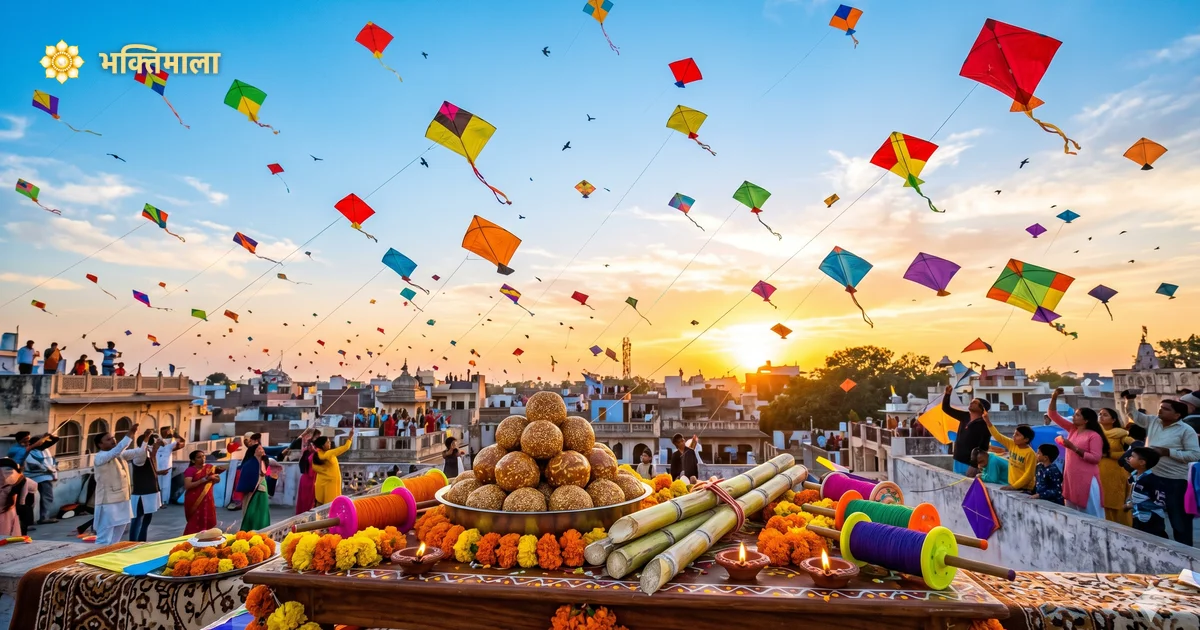
- गुजरात और राजस्थान: भव्य पतंग उत्सव — दिन भर आकाश रंग-बिरंगी पतंगों से भरा रहता है
- महाराष्ट्र: 'तिळगुळ घ्या, गोड गोड बोला' कहते हुए तिलगुड़ का आदान-प्रदान
- पंजाब: लोहड़ी — एक दिन पहले, 13 जनवरी की शाम
- तमिलनाडु: पोंगल — चार दिवसीय फसल उत्सव
- सभी क्षेत्र: नदियों में पवित्र स्नान, दान, और तिल-गुड़ के पकवान